If you work in asset management, facilities, or maintenance planning for a Local Government Authority (LGA), you already know the answer isn't a tidy number — it's a sprawling, varied portfolio that touches almost every part of daily community life. From the swings in a suburban playground to the heritage clock tower on a century-old town hall, LGAs are custodians of an enormous and diverse range of public assets.
Understanding the full scope of that portfolio — and what it takes to keep it safe, functional, and looking its best — is the first step toward smarter, more cost-effective maintenance planning.
The Scale of an LGA's Asset Portfolio
Local councils typically manage assets across several broad categories:
Community and recreation
- Parks, reserves, and open green space
- Playgrounds and skate parks
- Sporting ovals, courts, and pavilions
- Aquatic centres and public pools
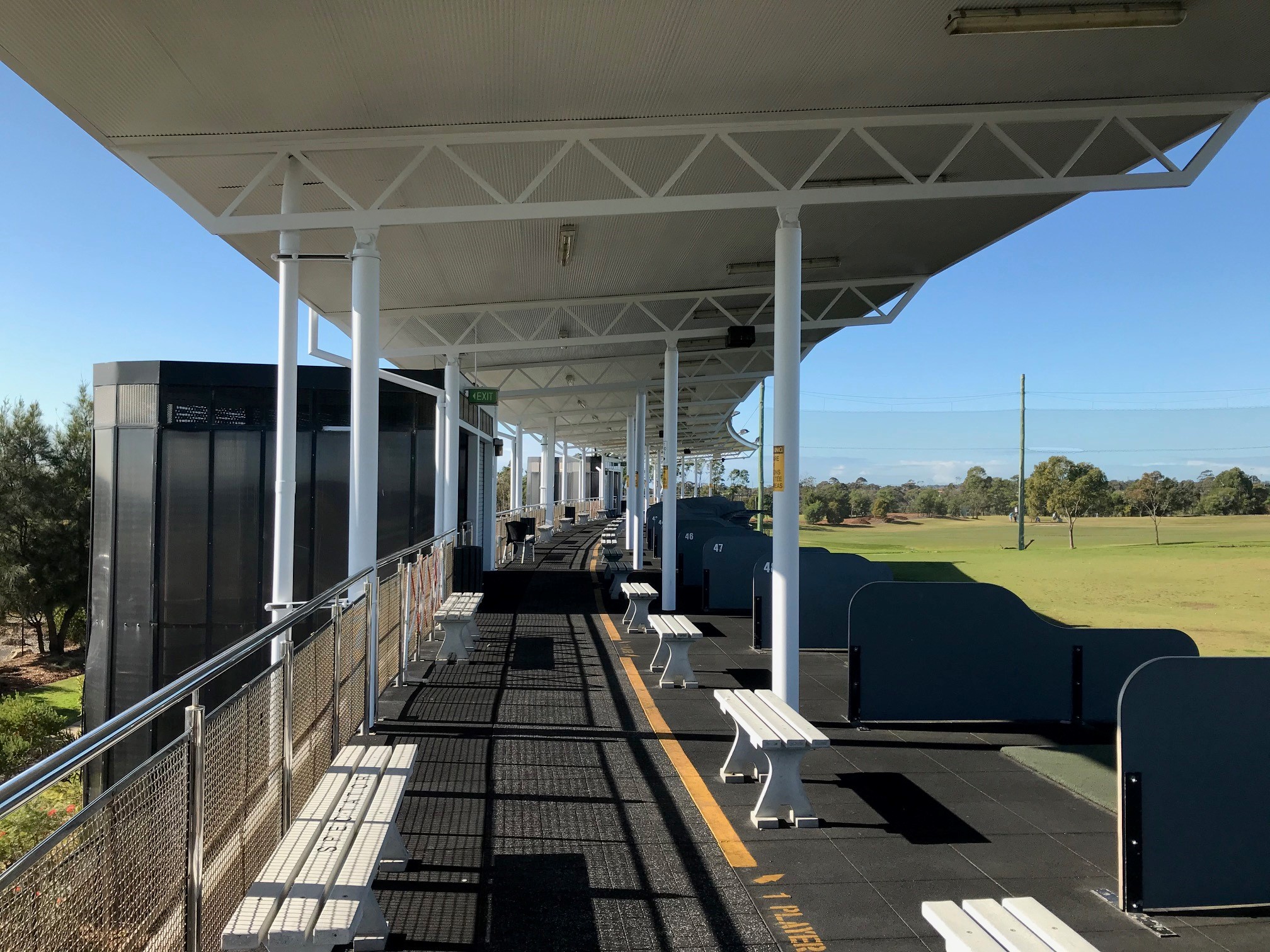
- Driving ranges and golf courses
Civic and administrative
- Council chambers and administration buildings
- Libraries and community centres
- Depots and works yards
- Public toilets and amenities blocks
Care and early learning
- Childcare and early learning centres
- Aged care and community support facilities
Heritage and cultural
- Heritage-listed town halls and civic buildings
- Museums, galleries, and cultural precincts
- Memorials and monuments
Streetscape and public infrastructure
- Street furniture, signage, and lighting
- Footpaths, kerbs, and line marking
- Fencing, bollards, and access structures
Each category comes with its own maintenance rhythm, compliance requirements, and risk profile. A childcare centre, for instance, has very different safety and access considerations to a heritage-listed clock tower — yet both need to be maintained to a high standard, on budget, and with minimal disruption to the community.
Open space maintenance alone — parks, reserves, sporting grounds, and streetscapes — is a program in its own right, requiring ongoing grounds care to keep green space safe, accessible, and inviting all year round. Layer on top of that the steady stream of building projects councils run each year, from minor refurbishments to major heritage restorations, and it's clear why a coordinated maintenance strategy matters so much.
Why It Matters: Assets Shape Where People Choose to Live
Well-maintained public assets aren't just a matter of pride — they influence real decisions about where people choose to live, shop, and set up a business. Research consistently shows that most people who relocate move relatively close to their previous home, with roughly 60% moving only 0–9 kilometres from their former residence. In other words, councils are largely competing with their immediate neighbours for residents and local business investment.
Striking, well-presented facilities and public spaces reinforce a resident's decision to stay local — and make a strong first impression on anyone considering a move into the area. A tired playground, a graffiti-covered wall, or a neglected community hall sends the opposite message, no matter how good the underlying services are.
The Maintenance Challenge: One Portfolio, Many Specialisations
Because the asset types are so different from one another, no single trade or one-size-fits-all contract can properly service an entire LGA portfolio. Effective maintenance programs typically draw on a wide range of specialist capabilities, including:
- Commercial painting, both internal and external
- Graffiti removal and prevention
- Wash downs and remedial repairs
- Refurbishments and fit-outs
- Line marking
- Difficult access and abseil painting
- Heritage-specific techniques, including gold leafing
- Colour consultation and palette changes
- Grounds and open space maintenance
- Signage solutions, from design through to installation
Coordinating all of these trades and specialisations across dozens or hundreds of sites — while staying within budget and meeting compliance obligations — is where most councils feel the strain. It's also where a single point of contact for end-to-end project management makes the biggest difference, replacing a patchwork of individual contractors with one accountable partner.
Getting Started: Know, Prioritise, Scope, Deliver
A practical approach to managing a diverse asset portfolio generally follows four steps:
- Know your assets — build an accurate picture of what you own, its condition, and its criticality to the community.
- Prioritise your projects — use condition data to make financially responsible decisions about what gets attention first.
- Scope and budget accurately — a clear scope and implementation plan keeps projects on time and within budget.
- Deliver safely and locally — fast turnarounds and rigorous safe work practices, ideally from teams who live in the communities they service.
See the Range in Action
Some of the varied assets we've helped maintain include heritage buildings, aquatic centres, libraries, civic offices, and community sporting facilities — each with a tailored approach to suit its age, use, and condition.
Programmed's suite of maintenance expertise spans this entire spectrum, giving councils a single, tailored solution rather than a fragmented list of contractors. Find out in more detail how our services work here.