The general function of a commercial interior space is to sell a product or service. It is therefore important to have a well-designed interior to ensure your target audience is not only enticed to purchase, but of course return. Here are 6 commercial design principles to take into account when looking to fit out your interior.
by Katherine Nimmo
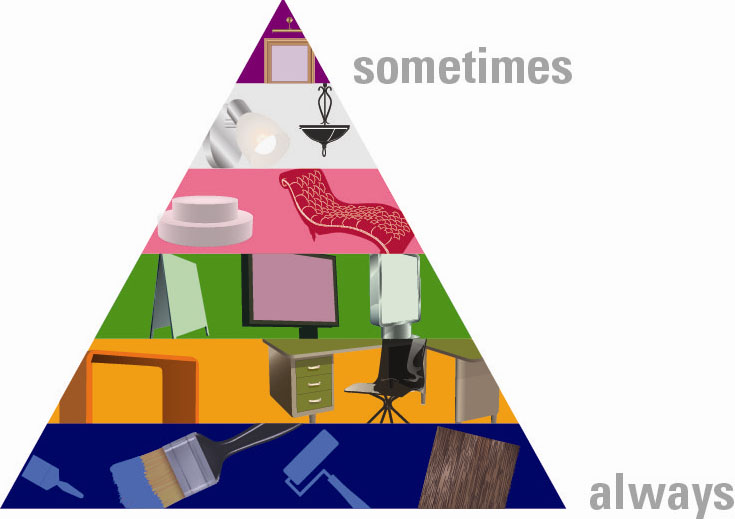
1. Canvas The initial focus should always be on building a good, clean space. Look at your walls, flooring and ceiling. Think about your brand and if it needs a cool or warm colour pallet, apply soft, neutral hues to the shell of your space. If you want your interior to stand out, this is not the place. Simplicity is the key.
2. Service Area A good reception/service counter is very important. A priority is making sure it is manufactured to suit the needs of staff and business. Also, be mindful of placement and finish as it needs to be easily spotted by the customer. Choose materials that will stand out. This doesn't have to be in colour, a neutral tone in a gloss finish can also be effective. 3. Branding Good, concise logo/branding is going to lift your beautiful, simple canvas. Make sure your brand is bold and centrally located. One well executed brand ‘hit’ is better than multiple, poorly placed logos. Be proud of your brand, not confused. 4. Product/Service Display As a basic guide, it’s effective to design your interior merchandising at a similar price point to the product or service you want to sell. If selling to the higher end of the market, make sure the consumer feels impressed by the space, pick high end displays, have statement furniture pieces, and don’t create an overwhelming, cluttered environment. This doesn't mean if your product/service is low cost your interior needs to be cheap and nasty. If you’re tailoring towards the lower end of the market, use simple fixtures and displays, then make a statement with your signage and brand. 5. Lighting It’s often overlooked as a priority, but shouldn't be. Under lit rooms are dull and lifeless, yet over lit spaces feel stark and uninviting. Where possible let in natural light and make sure to consult with a lighting specialist to get the best possible lighting solution for your space. 6. Personal Paraphernalia It can be nice to display awards, photos etc. as these help motivate staff and make customers feel more comfortable in your space. Just make sure these don’t detract from your brand. Keep these items grouped together and always think before displaying.