The challenge: great ideas, limited time
Across asset-intensive industries, teams face constant pressure to keep operations running safely and reliably. As a result, improvement initiatives often become reactive, focused on solving today's problems rather than preventing tomorrow's.
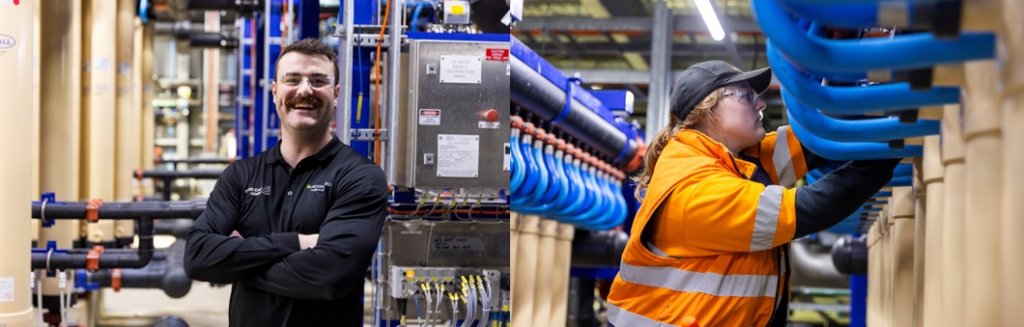
While many organisations invest in reliability programs and engineering solutions, lasting change can be difficult to achieve when frontline teams lack the time, support, or structure needed to turn their ideas into action.
Programmed's recent peer-reviewed research explored a simple but powerful question: how can organisations better connect people, systems, and execution to create sustainable improvement?
Bridging the gap between strategy and delivery
The research found that successful improvement relies on more than technical expertise alone. It requires a balance between disciplined governance and frontline ownership.
By combining a central improvement function with empowered operational teams, organisations can ensure improvement initiatives are technically robust while remaining practical and achievable in the field. This approach helps close the gap that often exists between centrally designed solutions and the realities of day-to-day operations.
Turning ideas into measurable results
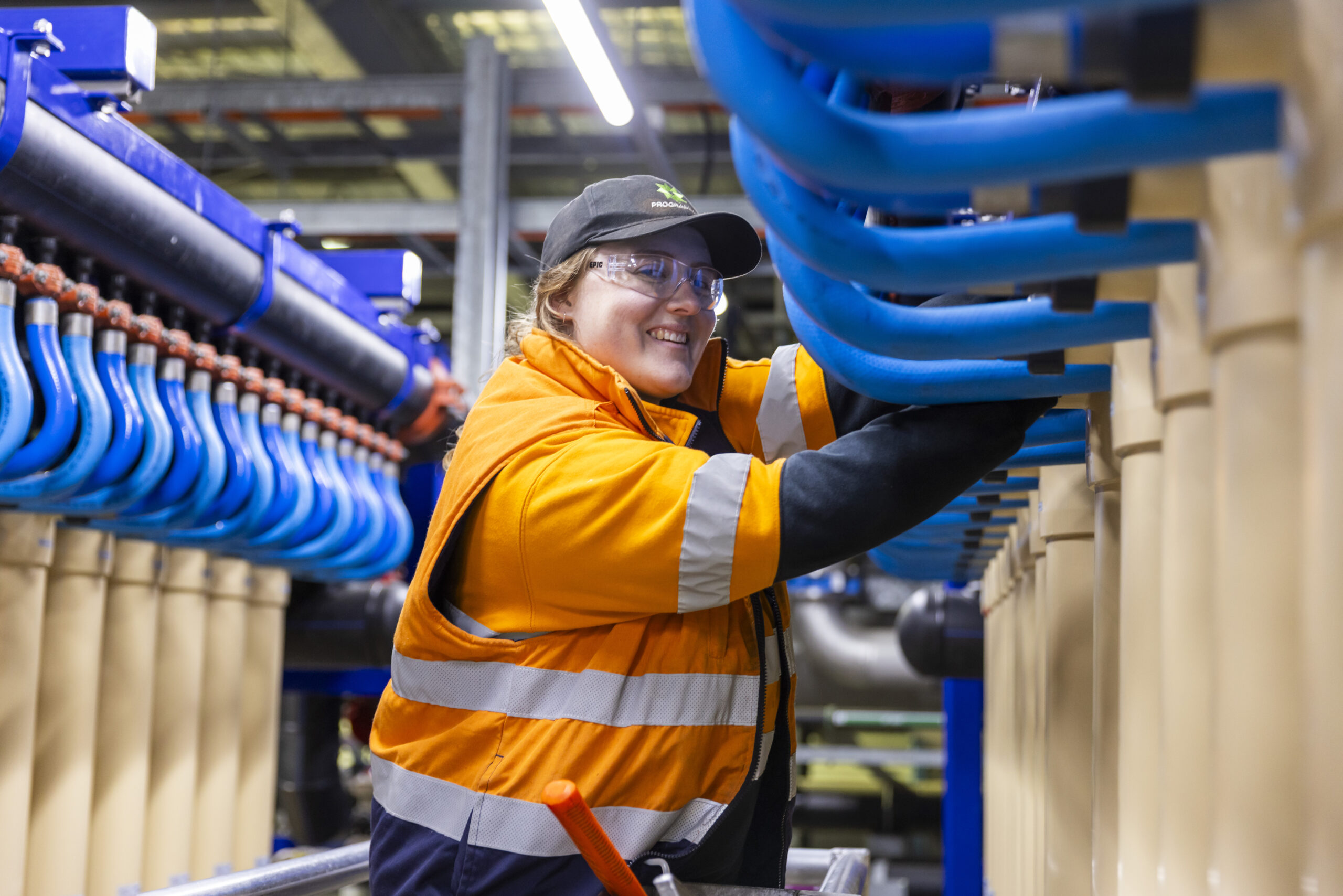
When implemented, the framework led to stronger technician engagement, improved reliability outcomes, and a growing culture of continuous improvement. Frontline teams were empowered to identify opportunities and drive change, while central specialists provided the governance and support needed to prioritise and execute initiatives effectively.
One example was the introduction of in-house capabilities such as thermography, partial discharge monitoring, and UV verification. By investing in new technology and workforce capability, the team improved scheduling efficiency, reduced response times, delivered cost savings, and strengthened internal expertise.
A lesson for the wider industry
Published in the Asset Management Body of Knowledge (AMBoK) Library, the research reinforces a message that extends far beyond a single organisation.
As industries face ageing assets, tighter budgets, and increasing service expectations, sustainable performance will depend on more than systems and technology. It will require empowered people, supported by data, structure, and effective governance.
The key takeaway is simple: sustainable improvement starts with people, but it lasts when organisations create the right environment for those people to succeed.
Want to learn more?
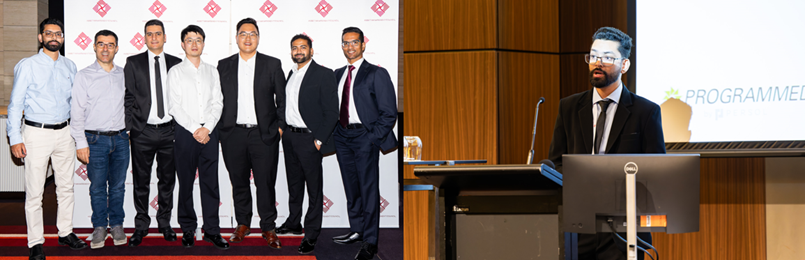
This research has been peer-reviewed and published in the Asset Management Council's AMBoK Library under the paper "A Novel Continuous Improvement Framework for Reliability, Safety and Sustainable Asset Management."
>> Read the full paper here: Publications and Technical Resources - Asset Management Council