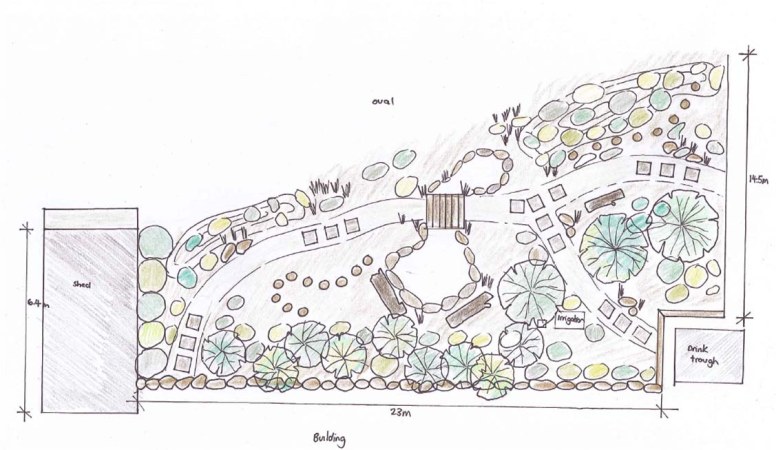
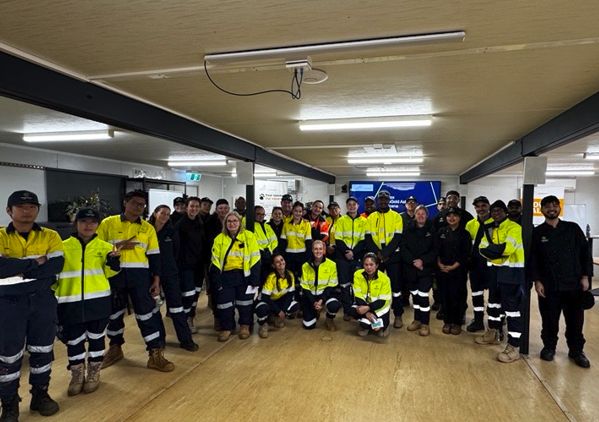
Programmed constructed this wetland at Aitken College in Greenvale, Victoria
What is a Constructed Wetland?
A constructed wetland is one that is artificially created to capitalise on the benefits that natural wetlands produce. Two key benefits constructed wetlands have are maintaining water quality by removing contaminants from urban run-off and by its flood control capabilities. Constructed wetlands can also help atone for the loss of natural wetlands, provide habitat for wildlife, as well as providing the community with a recreation amenity.
Wetlands usually consist of 3 key areas:
- The first is the inlet zone where stormwater enters the wetland from a waterway. Its main purpose is to remove coarse sediments and to slow the speed of stormwater flowing into the next area of the wetland.
- The second stage is macrophyte zone and this is where finer sediments are then filtered through aquatic plants. It is also where the wetland naturally treats stormwater by algae and bacteria converting soluble pollutants into nutrients.
- The outlet zone is the last zone and usually takes the form of a small lake. This larger body of water allows finer particles to sink and settle into the bottom and lets sunlight through to help kill harmful bacteria.
How Do Constructed Wetlands Work
It is only recently that wetlands have been recognised to play such an important role in naturally treating water and assisting with the management of stormwater in open spaces. Wetlands were viewed as an impediment to developing land and it was common practice to remove them by draining and filling. Some argue that this practice of removing the land’s natural filtering system has contributed to the decline in the quality of our water resource system.
Nowadays, councils and property developers are now recognising the benefits of wetlands and prefer to specify them as their storm water treatment of choice. In fact, approximately 90% of new estates in Australia are required to have some sort of wetland area or water sensitive urban design (insert link to description).
Programmed Property Services has constructed and maintained a number of wetlands in new property developments around the country. You can see one such constructed wetland take shape at the Providence Estate, Greenvale, Victoria.


Constructed Wetlands FAQs
-
What are the three main types of wetlands?
The three main types of wetlands are marshes, swamps, and bogs. Marshes are dominated by grasses and soft-stem plants and are often found along rivers or lakes. Swamps contain trees and shrubs and typically occur in forested floodplains. Bogs are acidic wetlands that accumulate peat and are often dominated by mosses.
-
What are the principles of constructed wetlands?
Constructed wetlands are designed to mimic the natural processes of wetlands to treat and manage water. They rely on vegetation, soils, and microorganisms to filter pollutants, remove nutrients, and improve water quality. Water flows slowly through planted areas, allowing sediments to settle and contaminants to be naturally broken down.
These systems support sustainable water management in commercial developments, parks, and public open space while also enhancing landscape amenity and biodiversity.
-
What are the three types of water that constructed wetlands treat?
Constructed wetlands typically treat stormwater, wastewater, and greywater. Stormwater comes from rainfall runoff across roofs, roads, and paved areas. Wastewater includes sewage or contaminated water from buildings and facilities. Greywater refers to lightly used water from sinks, showers, or laundries. In commercial properties and large open spaces, constructed wetlands help improve water quality before it re-enters natural waterways or is reused for irrigation and landscape management.