Updated 02 June 2026
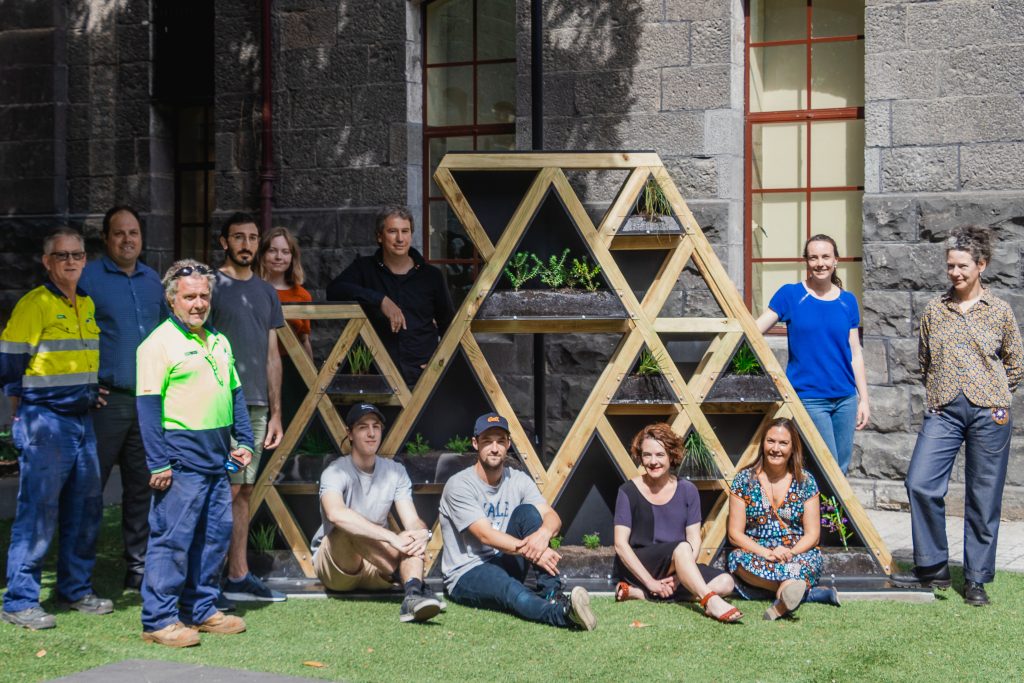
The 'Fielding' project brought together RMIT faculties to study how sound and urban greening impact well-being in urban environments.
This unique and creative interdisciplinary project brought together the School of Landscape Architecture and Design and the College of Design and Social Context to discover how sound and urban greening work together when designing, developing and planning future cities.
Students designed an installation that shows how sound and landscape design affect biodiversity.
Bridging Student Design and Biodiversity
The project required students from the Landscape Architecture and Design faculty to design a public installation structure of this research that demonstrates both creative sound practices and core landscape design principles to reveal the complex role that audio plays in biodiversity.
Industry Mentorship and Critiques
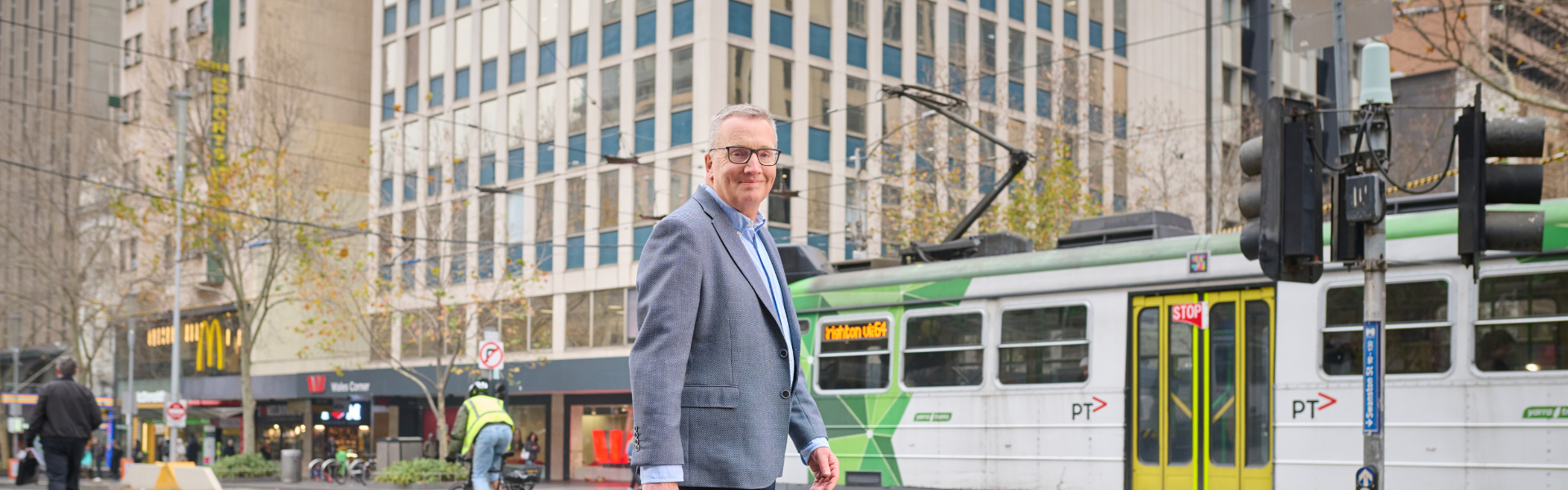
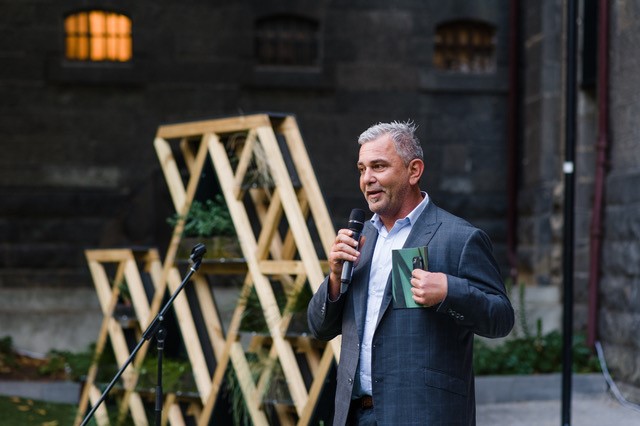
As industry experts, Programmed was invited to get involved during multiple stages of this research project. Tony Murphy (State Grounds Manager, VIC) and Stuart Barker (Regional Manager, VIC) were among the critics for the student’s final studio presentation prior to the best design being selected.
Refining Concepts for Real-World Application
Tony and Stuart played a crucial role in driving this project to the next stage as they both provided students with pragmatic advice on how the proposed concepts could actually be realised.
Their mentoring, feedback and practical tips on material types, construction technologies and design considerations enabled students to re-evaluate and refine their designs, which in fact assisted the process of shortlisting and selecting the winning design.
“The studio was an amazing presentation to be a part of, the concept designs that were presented were of high quality and I was taken back on how much detail had been accounted for an initial concept stage.”
— Stuart Barker, Regional Manager, PPS
Bringing the Installation to Life
The chosen design was awarded for real implementation in the Sunken Garden at the back of the Alumni Courtyard at RMIT City Campus. Furthermore, Programmed’s expertise in this industry continued as Yves Berard and Rob Keillor from our grounds team at RMIT also worked closely with the winning team in order to bring their design into reality.
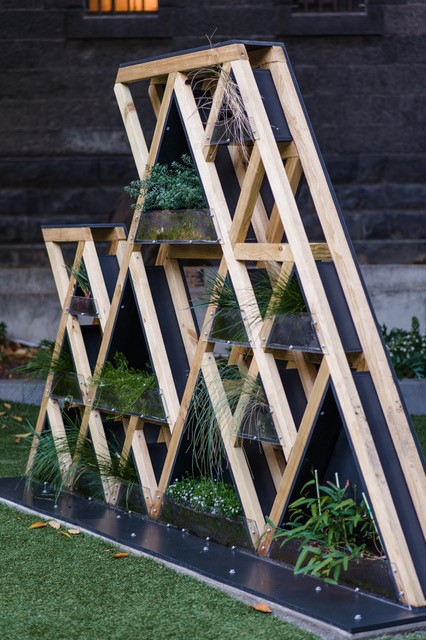
An Adaptable Structure for Urban Observation
The dynamic structure of the installation is a series of interconnected triangles, designed to be adaptable, mobile and scalable for urban environments. This temporary installation is due to stand from Spring 2018 to Summer 2019.
During that time, scientists and artists will be observing the space and those who use it, including insects, animals and humans, to discover the crucial and complex role that sound plays in the landscape.
“The project has introduced new ways of thinking around urban green design, well-being and art in the development of creative cities.”
— Kim de Krester, Creative Producer, RMIT School of Arts
Build for the Future with Programmed
The "Fielding" collaboration highlights how academic research and practical industry expertise can merge to shape future living spaces. By mentoring the next generation of designers and physically constructing their adaptable installations, Programmed bridges the gap between innovative green concepts and commercial reality.
At Programmed, we pride ourselves on our ability to provide complete, hands-on grounds management alongside strategic sustainability advice. Beyond maintaining spaces, we understand the ecological, structural, and social complexities required to deliver functioning green infrastructure in dense urban environments.
Partner with Programmed to deliver forward-thinking urban greening projects, biodiversity improvements, and tailor-made sustainability initiatives for your facility. Contact our team today.