Updated 12 May 2026
Efflorescence is a common issue on painted masonry surfaces in Australia. Left untreated, it gets worse. But with the correct diagnosis and approach, it is manageable. Our commercial painting specialists have put together this practical guide to help you understand what efflorescence is, how to spot it, and what to do about it.
What is an Efflorescence?
Efflorescence is a deposit of water-soluble salts that forms on the surface of masonry, concrete, or rendered walls. It occurs when water moves through a wall, dissolving salts within the material. As the water evaporates at the surface, those salts are left behind as a visible residue.
How to Identify Efflorescence
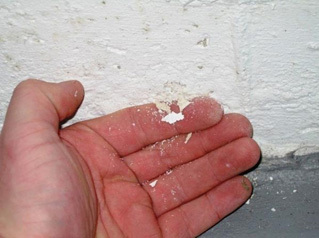
Efflorescence does not always look the same, which can make it tricky to identify at first glance. It may appear as a fine powdery film or as hard, crusty deposits.
In some cases, it has sharp, well-defined edges; in others, the edges are soft and indistinct. It can spread across a broad area or appear as isolated crystals. The colour depends largely on the type of salt involved, but efflorescence is almost always white, yellow, or brown.
Look out for the following signs on masonry or rendered surfaces:
- A white, chalky or powdery residue on brick, concrete, or render
- Yellow or brown staining, particularly around mortar joints
- A crystalline or flaky crust that brushes off but may return
- Patchy discolouration that spreads after wet weather
- Bubbling or peeling of paint directly above the deposit
Possible Causes of Efflorescence
Efflorescence is not structurally dangerous in itself, but it is unsightly, particularly on painted masonry surfaces. More importantly, its presence is a warning sign. It means there is excess moisture moving through your walls, and that moisture can cause real damage to interiors and provide conditions that encourage mould growth.
Common causes include:
- Inadequate surface preparation: If previous efflorescence was not fully removed before repainting, the salts remain in the substrate and continue working their way to the surface.
- Excess moisture escaping through exterior masonry walls from inside the building: This is particularly common in older construction or in buildings with poor ventilation.
Identifying the underlying cause is the critical first step. Treating the surface alone, without addressing the moisture source, will only produce the same result again within weeks or months.
Our Recommended Solution to Your Efflorescence Problem
Once efflorescence appears, the temptation is to simply paint over it or scrub it back and move on. But that approach to fighting efflorescence rarely holds.
A lasting result depends on eliminating the source of moisture first, then preparing the surface correctly before any repainting takes place. The following process is what our commercial painting specialists recommend.
Address the Moisture Source
If the problem is caused by external water penetration, begin by inspecting the building envelope. Repair any damaged roofing, clear blocked gutters and downpipes, and seal any cracks in the masonry using a high-quality water-based caulk (sometimes labelled as latex caulk). Our specialists favour the Sika range for this type of application, as it offers good adhesion and durability on masonry substrates.
If moist air is originating from inside the building, the solution is improved ventilation. Installing exhaust fans in bathrooms, laundries, and kitchens can make a significant difference. These areas generate the most interior humidity, and without adequate airflow, that moisture migrates into the walls.
Prepare the Surface
Once the source of moisture has been addressed, the surface needs thorough preparation before any paint is applied.
- Pressure wash the affected area and wire-brush off all loose material, including existing efflorescence and flaking paint.
- Follow up with a rinse using a calcium chloride solution, which helps neutralise residual salt deposits. Products containing calcium chloride are widely available at hardware stores, often sold under brand names such as DampRid. Rinse the area thoroughly with clean water afterwards.
- Leave the surface unpainted for approximately two weeks. This waiting period allows you to confirm whether efflorescence is re-emerging. If it returns during this time, the moisture source has not been fully resolved and needs further attention.
Repaint
Once the surface has remained clear for two weeks, it is safe to repaint. Use a quality masonry primer suited to the substrate, and follow with a paint system that offers good moisture resistance. Our commercial painting contractors can advise on the right products for your specific surface and conditions.
Work With Programmed Commercial Painting to Solve Your Efflorescence Problem
Efflorescence is a surface symptom with a deeper cause. Getting the result right means identifying where the moisture is coming from, preparing the surface correctly, and applying the right paint system in the right sequence. Cut corners on any of those steps, and the problem comes back.
At Programmed Commercial Painting, our painters deal with efflorescence and moisture-related paint failures regularly, and they bring that practical experience to every job. Whether you need a full remediation program or a second opinion on what you are seeing on your walls, we are well placed to help.
If you are facing a paint problem or want to know how a professional would approach a particular task, speak to our team today for commercial painting advice.