Procurement is changing. Once seen as a function focused on cost and purchasing, it is now playing a much bigger role in how organisations deliver on their environmental, social and governance (ESG) commitments. Every purchasing decision has the potential to shape outcomes across the supply chain.
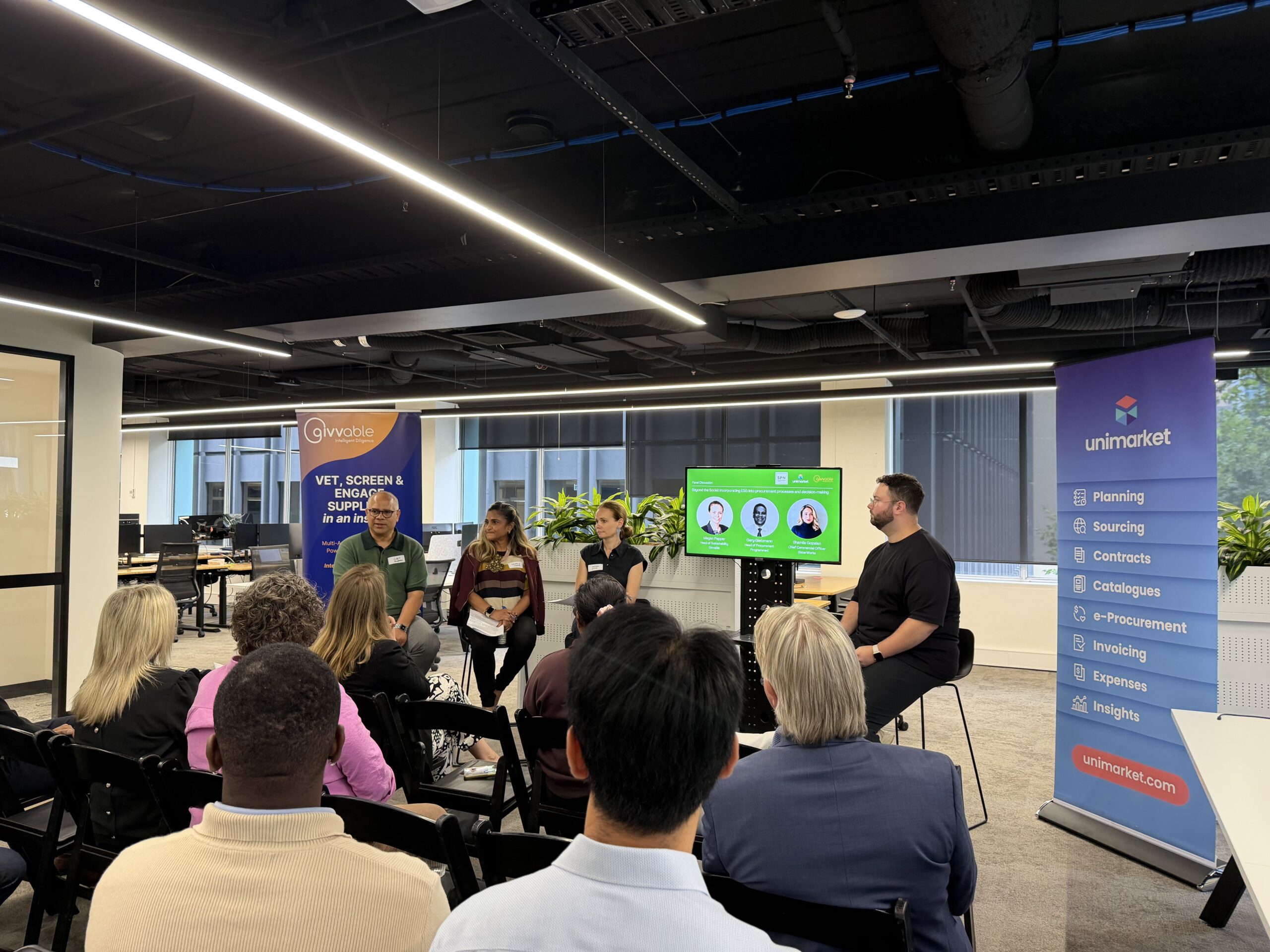
This shift was front and centre at the ‘Beyond the Social: Incorporating ESG into Procurement Processes & Decision Making’ event organised by the Social Procurement Network, co-hosted by givvable and Unimarket. The event brought together industry leaders, including Programmed, to explore how procurement can move beyond intent and embed responsible sourcing into everyday decision making.
For Programmed, this is a space where meaningful progress is already underway.
The shift to a more strategic approach
Today, procurement is not just about finding the best price. It is about making informed decisions that balances long-term value (risk, cost, social outcomes, etc).
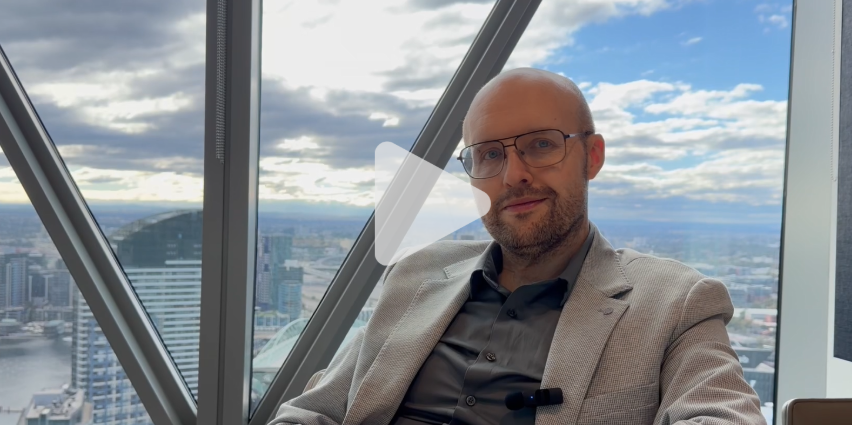
Benjamin Blythe, Procurement Analyst, shares: “Procurement has evolved from a mainly transactional cost function into an enabler of value and risk management, particularly through ESG considerations.”
In a business like Programmed, where many purchasing decisions happen at a local level, procurement plays a key role in making the right choices easier to make. This means putting in place clear policies, trusted suppliers, and the right tools and data to guide decisions without adding complexity or slowing teams down. When done well, ESG is not just a nice-to-have, it becomes part of everyday decision making.
Why systems and data matter
One of the biggest challenges in embedding ESG into procurement is visibility. Without the right systems, teams can fall back on manual processes or incomplete information. This can lead to delays, inconsistencies, and missed opportunities to create better outcomes.
To address this, Programmed has focused on building a connected, datadriven procurement approach. By bringing together supplier, risk and compliance data into a single view, teams are better equipped to make informed decisions at the point of purchase. This ensures that informed ESG considerations are built into everyday workflows.
Turning intent into action through digital transformation
The move towards digital procurement has been driven by a need for clarity and confidence.
“We didn’t want to be left behind or making assumptions. We needed good information to help the business understand the extent and impact of its practices.” Says Gary Gietzmann, Head of Procurement
With stronger data and clearer processes, Programmed is better able to track progress, identify opportunities and demonstrate impact. This is particularly important when engaging with clients and partners who expect transparency and evidence behind mutual ESG commitments.
It also helps shift ESG from being a statement of intent into something practical and measurable.
What this means for the future
The discussion at the ‘Beyond the Social: Incorporating ESG into Procurement Processes & Decision Making’ event reinforced a key message. Procurement is becoming a strategic driver of sustainability, and organisations need to move from intention to action.
“This enables us to meet growing expectations around social and environmental impact with confidence, backed by real data and evidence.” Benjamin Blythe, Procurement Analyst, explains.
In fact at Programmed, procurement is helping build a more transparent and responsible supply chain by improving visibility, strengthening supplier engagement and embedding ESG into everyday decisions.
Looking ahead
As expectations continue to grow, procurement will play an even greater role in shaping outcomes across the supply chain. For Programmed, the focus is on continuing to improve systems, strengthen data and identify new opportunities to create meaningful impact through procurement.
But, this is not just the role of Procurement.
Every purchasing decision across the business contributes to the outcomes we create. By choosing the right suppliers, asking the right questions and using the tools available, everyone has a role to play in delivering more sustainable, ethical and impactful outcomes.