
We are now in the thick of winter, but we have also had the shortest day of the year. So, the days will get progressively longer, all be it by a couple of seconds a day, but this doesn't mean that it gets warmer though.
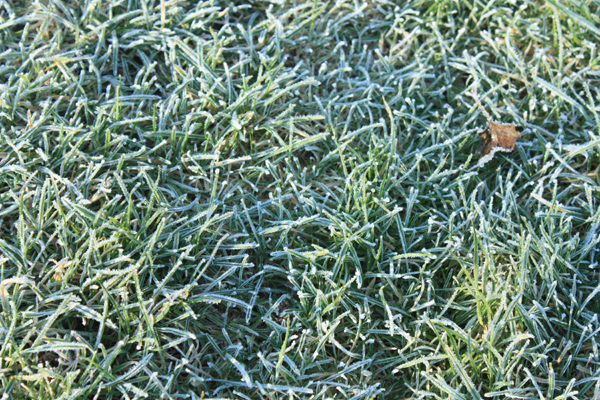
Mid to late June gave us some frosty nights, but gorgeous sunny days. Some grass responded to the sun and continued to grow.
My kikuyu grass at home has shown signs of frost damage or at least rapidly changed colour and has gone virtually dormant. The couch in my lawn has all but disappeared and has been taken over by winter grass and other cool season grasses. I am satisfied that come the hotter and drier days the winter grass will quickly die out leaving me once again with a couch coverage.
We have seen a good amount of rain and soils are certainly a lot wetter deep down. There are puddles still lying around after the rain a few weeks ago. This indicates drying conditions are certainly a lot slower, but also soils have a good amount of moisture in them.
Our gardens will be showing the winter conditions. Most leaves will have fallen exposing trunks of shrubs and trees. Some bulbs will be forcing their way out of the leaf litter to be the first to bloom in spring or late winter.
Winter veges will also be ready to harvest, but germination of seeds will be difficult and slow in the cold conditions. Some can rot in the ground before they germinate.
This is a good time to stay on top of open space maintenance, as clearing fallen leaves and debris from communal or larger garden areas helps prevent disease and keeps these spaces tidy through the colder months.
July Gardening Tips
- Begin pruning hydrangeas. With all pruning jobs, make sure your tools are sharp and clean. This will reduce the possible transfer of disease as well as ensuring a clean cut which will heal better and quicker.
- Do not prune your roses just yet. I like to wait a little bit longer to avoid any possible issues with new shoots getting damaged by frost. Instead, concentrate on shrubs that have dropped their leaves and you can easily see faults or damage that should be pruned away.
- You can dead head any spent flowers from winter flowering shrubs.
- If you have potted plants with saucers underneath, empty the saucers of water to ensure good drainage. Check them after it has rained.
- If you missed planting flowering plants earlier in the season, try seedlings instead of seeds as germination may be difficult.
Leave It to the Experts This Winter
Winter is a season of quiet transformation in the garden — roots are deepening, bulbs are preparing their spring debut, and the landscape is resting and recharging. While there's less to do than in the warmer months, the care you put in now will pay dividends come spring.
If you'd like a helping hand this winter, Programmed Property Services has the expertise to keep your outdoor spaces healthy, tidy, and ready for whatever the season brings. Get in touch with our team today to find out how we can take the hard work off your hands.