May typically brings a noticeable shift toward winter-like conditions. Days grow shorter, nights become cooler, and rainfall tends to increase. While May doesn't always deliver substantial rain, even lighter showers can help restore some moisture to the upper soil profile.
Now is the time that the structure of the gardens becomes increasingly evident. Leaves are dropping, and in general, flowers are finishing. Shaping of shrubs, different foliage colours and shapes all ensure that gardens still look good through the winter months.
Gardens in Cooler Conditions
In many parts of Victoria, the top few inches of soil may be moist following early winter rains, while deeper layers can remain quite dry until more significant rainfall arrives. When good soaking rain does eventuate across the state, it provides welcome relief for both gardeners and farmers heading into the cooler months.
The cooler conditions and shorter days have also contributed to an increase in leaf fall from deciduous trees and shrubs. This is worth keeping in mind for open spaces such as parks, reserves, and commercial grounds, where fallen leaves and debris can quickly build up and detract from the overall appearance if not managed regularly.
Grass growth has also slowed. Cool season grasses will continue to grow, but at a reduced rate. In some areas, kikuyu and paspalum have changed colour, while other sheltered pockets remain green, but slowing in growth rate. For those responsible for maintaining larger open spaces, this seasonal slowdown is a good opportunity to assess turf condition and address any bare or worn patches before winter sets in fully.
Gardening Tips for June
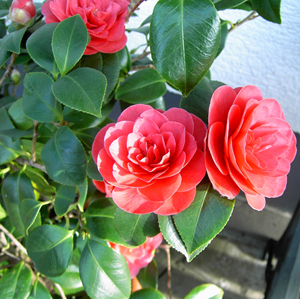
- Now is a good time to fertilise your camellias and azaleas. Remember to use specialised fertiliser as these plants enjoy soil on the acid side. Organic pellets will be fine but if purchasing something, try the specialised fertiliser.
- Keep the fight up against snails and slugs as for last month. Other pests do slow down now as it is becoming too cold, however, if you have any broccoli, cabbages or cauliflower growing, keep checking for the green caterpillars from the cabbage moth.
- If you have some empty pots or space in your garden, now is the time to plant seeds for pansy, poppy, granny’s bonnets and calendula. If you want some herbs or veggies at hand, try coriander, spring onions, lettuce and the cabbage family.
- Now is the time prune camellias and any native shrubs that have finished flowering. You can just give the plant a light prune, or give a more substantial cut if you need to reduce the size of the shrub.
- If you have space, bare rooted plants will also become available soon. Ensure the planting holes are well prepared with good compost or aged manure. Remember to water in well to remove any air pockets and do not stomp too hard on the soil when planting.
Keep Your Open Spaces Going This June
If you own or manage a commercial property, June is not the month to let your outdoor spaces fall behind. Regular maintenance through the winter months keeps grounds looking professional and well cared for, and ensures you're not playing catch-up when the warmer weather returns. Make sure your gardens and open spaces are getting the attention they deserve this month.
Get in touch with the team at Programmed to keep your commercial open spaces looking their best all winter long.