Well-designed landscapes and properly maintained lawns make enjoying the sights and scents all the more pleasurable. Poor landscaping and unmaintained gardens, on the other hand, will eventually cause more work and additional costs, taking away appeal and enjoyment from your grounds.
If you want inviting and healthy open spaces, here are 5 common (and potentially expensive) landscaping mistakes you should avoid making, and the services that can help prevent them.
Mistake #1 Trip Hazards
Fallen branches, dislodged paving, poorly designed steps, sunken irrigation heads and unkempt roots. Anything in your hardscape that can cause falls, injury or property damage is a lawsuit just waiting to happen.
If any of these are present on your property, then pedestrians could be at risk.
Solution: Landscape master planning, design and construction
Sometimes, it pays to get a landscaping professional to get it right the first time - it’ll save you the expensive bill later arising from liabilities in your landscape.
These experts have the know how to turn your landscape vision into something buildable and sustainable, address site intricacies and identify safety hazards. With proper project management, they ensure your budget doesn’t spread like a weed.
Mistake #2: Uneven Sports Turf
Uneven turf surfaces can really let down the quality of your grounds. Not only can it hurt your brand and reputation, it can even hurt you too – if you unwittingly roll an ankle, trip or fall.
Solution: Sports oval preparation, fine turf and sports turf management
Expert preparation and turf management can help you achieve sporting turf excellence and better overall performance. While your sports team will still have to do the training, the thick verdant turf and level playing field will be a great help.
Mistake #3: Over or Under Watering
You’ve invested time and money on your landscape, but may have either neglected the watering part, or showered it with too much love. Parched grass or drowning plants are both unhealthy and unsightly.
Solution: Design and installation of efficient irrigation systems and water management strategies
To enjoy your green space all year-round, you’d want to invest in the correct irrigation system. This will deliver the right amount of water, to the right location, at the right time. The irrigation systems of today are also much more water-wise and may see you cutting water consumption and bills as a result.
Mistake #4: Letting Weeds and Pests Run Wild
The voracious appetites of weed and pests make quick work of your turf and plants, giving your landscape an unattractive and desolate appearance.
Solution: Weed and pest control
A horticultural professional can treat flowers and shrubs from pests and fungus, and remove noxious plants and weeds through chemical or organic solutions in a safe and timely manner.
Mistake #5: Overlooking Maintenance
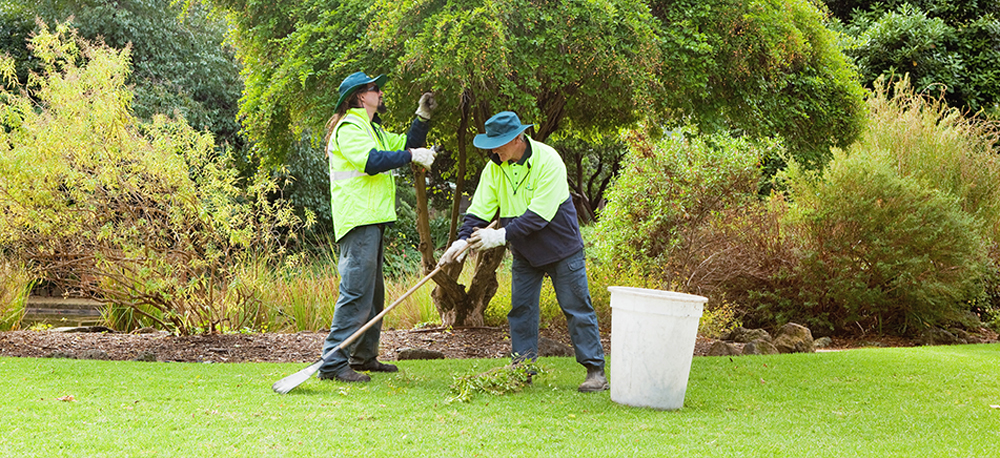
Your grounds and landscaping will ALWAYS need maintenance (even if it’s designed to be low maintenance) so don’t forget to include time and resource for these in your planning and budgeting.
Solution: Long-term grounds maintenance programs
Alleviate budgetary woes with tailored open space maintenance programs that allow for full upgrading works to be done upfront, but with costs for these amortised over time through flexible payments to make it affordable to both implement and maintain.
If you’re after stunning landscaping or sporting turf that’ll really showcase your space, chat with Programmed first to prevent making costly mistakes.