Updated 11 May 2026
Mould and mildew are among the most common problems property owners face, yet they are often misunderstood or poorly treated. In this article, we’ll share practical, field-tested advice to help you identify, treat, and prevent mould and mildew effectively.

What is a Mould?
Mould is a type of fungus that grows on surfaces in damp or poorly ventilated conditions. It spreads by releasing spores into the air and, when left untreated, can cause lasting damage to painted surfaces, building materials, and the health of the people who use the space.
Comparing Mould and Mildew
Mould and mildew are related but not identical. Both are fungi, and both thrive in damp environments with limited sunlight.
- Mildew tends to sit on the surface of materials and is generally easier to remove.
- Mould penetrates more deeply and can be harder to eliminate entirely.
For practical purposes, the treatment method for both is largely the same, though mould may require more thorough preparation before repainting.
How to Identify Mould and Mildew
Knowing what to look for will save you time and prevent the problem from worsening. The following are the most common signs:
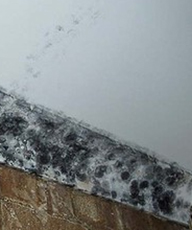
- Dark spotting on painted surfaces: Mould typically presents as black, grey, or brown spots. Mildew appears similarly and is particularly common on external painted weatherboards.
- Location in low-light areas: Both mould and mildew favour surfaces that receive little to no direct sunlight, such as the underside of eaves, fences, and shaded walls.
- Presence in wet areas: Bathrooms, laundries, and other high-humidity rooms are frequent sites for mould growth, particularly where ventilation is poor.
- The bleach test: If you are unsure whether a discoloured patch is mould, apply a few drops of undiluted household bleach to the area. If the discolouration fades and the paint surface reappears, you are dealing with mould or mildew.
Common Causes of Mould and Mildew
Understanding the cause of mould makes it easier to treat the source, not just the symptom. Poor ventilation is the leading factor, particularly in wet areas such as bathrooms and laundries, and on external surfaces, such as the underside of eaves or weatherboards in shaded spots.
Other contributing causes include:
Paint without adequate mildewcide
Lower-quality paints may not contain sufficient mildewcide, an additive manufacturers include to inhibit mould and mildew growth. Choosing a premium paint with this additive makes a measurable difference.
Bare wood left unprimed
Applying paint directly to bare timber without a primer creates conditions that allow moisture to penetrate more easily, encouraging mould growth.
Painting over existing mould
Applying new paint over mould that has not been fully removed is one of the most common mistakes. The mould will continue to grow beneath the new coat and re-emerge within months.
Solution for Visible Mould or Mildew on Your Property
Treating mould correctly requires preparation, the right materials, and attention to safety. Cutting corners at any stage tends to bring the problem back sooner than expected. The following steps reflect what our commercial painters do on the job.
Safety First
Mould is a fungus, and when airborne, its spores can be harmful to children, the elderly, people with weakened immune systems, and those with respiratory conditions such as asthma. Before beginning any treatment, wear a good-quality dust mask or respirator, full-length clothing, rubber gloves, and protective goggles.
Preparation
Confirm you’re working with mould or mildew before treating the area. Apply a few drops of undiluted household bleach to the affected surface. If the discolouration begins to disappear and the underlying paint surface becomes visible, the diagnosis is confirmed.
Mix one part household bleach with three parts water. Apply the solution to small sections at a time using a scouring pad, working thoroughly until all visible mould is gone. Rinse the treated area with clean water once complete.
For external surfaces, a 1:3 sodium hypochlorite solution is suitable, and a pressure washer will significantly speed up rinsing.
Painting
Once the surface is clean and thoroughly dry, our Paint Pros recommend applying a premium-grade oil-based sealer or undercoat to all affected areas.
Many paint manufacturers state their products can be applied directly over prepared surfaces without an undercoat. In practice, our commercial painters find that skipping the oil-based undercoat increases the likelihood of mould returning.
After the undercoat, apply two coats of premium acrylic paint appropriate to the area. There are many products on the market marketed specifically as mould-resistant. In our experience, any premium-grade semi-gloss acrylic paint will perform well, provided the surface has been properly prepared and primed beforehand.
For external areas, choose an acrylic paint rated for external use in a semi-gloss or gloss finish.
Prevention
To reduce the chance of mould returning, ensure wet areas are adequately ventilated. Installing an exhaust fan in bathrooms and laundries improves air circulation noticeably. For external surfaces, washing painted areas with a mild detergent once a year will go a long way toward keeping mildew at bay.
Find Professional Solutions to Your Mould Problems
Programmed Commercial Painting is one of Australia and New Zealand's largest providers of commercial painting and property maintenance solutions. With more than 700 full-time painters and 40 apprentice painters on our books, we have seen and solved just about every paint-related problem there is.
If you’re dealing with a mould problem that goes beyond a DIY fix, or if you would like to know how a professional would approach a particular task, our team is happy to help. Contact Programmed Commercial Painting to speak with one of our painting specialists.